Hazara Pioneers
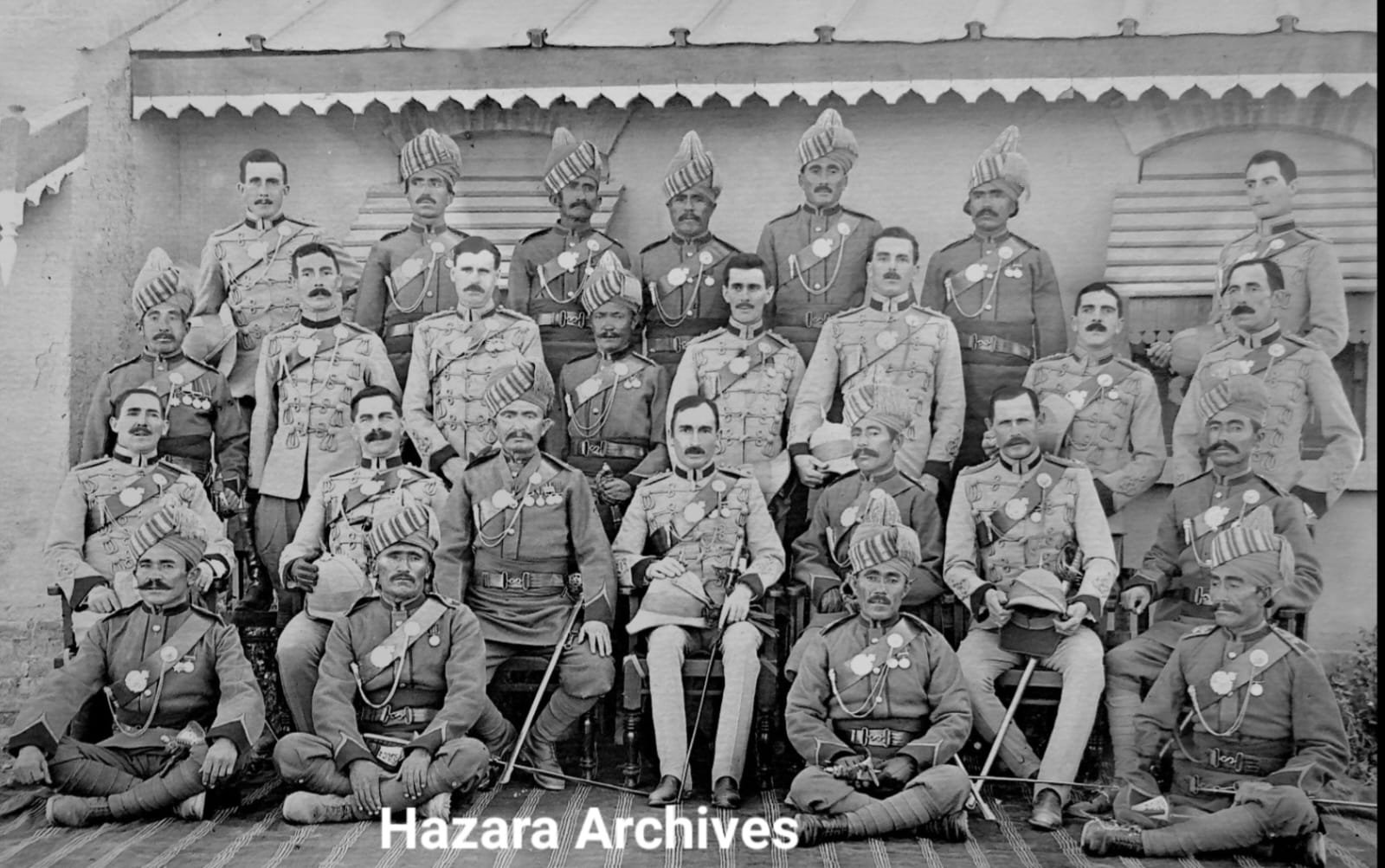
The 106th Hazara Pioneers of the British Indian Army represents a key research focus of Hazara Archives. Several initiatives are currently underway, including a pictorial booklet and a concise historical monograph on the regiment, scheduled for completion by the end of 2025. In addition, two documentary films are in production, exploring the military and engineering contributions of the Hazara Pioneers, as well as their associated war memorials across Africa, the Middle East, Iran, Baluchistan, and France. These projects aim to shed light on the often-overlooked legacy of Hazara service in global military history.
Explore Our Blog
Maulvi Barakatullah and the Earliest Vision of “Pashtunistan” During WWI By: Mohammed J GulzariThe origins of “Pashtunistan”
Maulvi Barakatullah and the Earliest Vision of “Pashtunistan” During[…]
The Role of Jewish Traders in Afghanistan’s Opium Trade During the Great Game Era.
The Role of Jewish Traders in Afghanistan’s Opium Trade[…]
Hazara Pioneers
Hazara Pioneers The 106th Hazara Pioneers of the British[…]
Contact us
Hazara Archives
About
Hazara Archives is a non-profit educational organisation dedicated to the documentation, preservation, and promotion of the historical, cultural, and political heritage of the Hazara people.
Established in 1987, Hazara Archives functions as a digital research and preservation platform, housing a comprehensive collection of over 250,000 digital and physical materials. These include rare manuscripts, photographs, maps, books, audio-visual recordings, and archival documents, covering not only the Hazara experience but also the broader historical landscapes of Afghanistan, Iran, Pakistan, and the wider Central and South Asian region.
Our mission is to safeguard endangered sources, support critical scholarship, and foster global engagement with Hazara narratives. In collaboration with academic institutions, cultural organisations, and local communities, Hazara Archives strives to ensure that the voices, histories, and contributions of the Hazara people are preserved, studied, and made accessible for future generations.
Core Sections of Hazara Archives
Publications: A curated repository of academic books, peer-reviewed journals, monographs, and research reports on Hazara history, identity, politics, and diaspora studies. This section features original contributions by historians, scholars, activists, and community researchers to advance global understanding and critical inquiry.
Historical Photograph: A visual archive showcasing rare, restored, and high-resolution photographs dating from the 19th century to the present. These images document everyday life, migration, political resistance, and cultural traditions of the Hazara people both within Afghanistan and across the diaspora.
Articles: A regularly updated section featuring analytical essays, opinion pieces, and short research notes on key historical events, cultural transformations, and contemporary challenges. Contributions are selected for their scholarly value, clarity, and relevance to ongoing discourse.
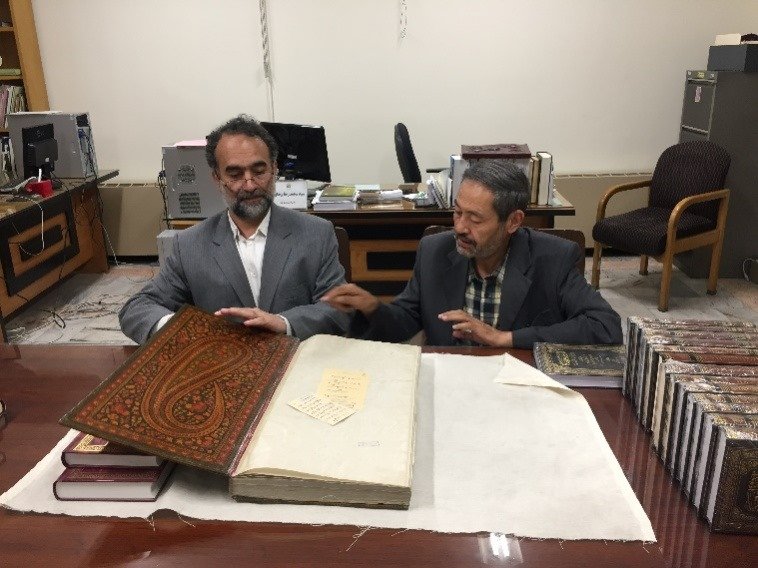
Archival Materials: A digital collection of primary sources including manuscripts, correspondence, official records, maps, oral histories, and rare documents. These materials provide critical insight into Hazara identity, displacement, political engagement, and survival across centuries.
Partner Organisations: An overview of institutional partnerships that support the mission of Hazara Archives through collaborative research, joint publications, exhibitions, and community programs. Current partners include the Balkh Research Foundation (BRF) in the field of academic publishing. The Balkh Research Foundation (BRF) operates through four active branches located in the United Kingdom, Melbourne (Australia), Iran, and Pakistan.
Projects: A dynamic portfolio of ongoing and past initiatives, ranging from digitisation, compilation of archival documents, drives and educational workshops to heritage preservation campaigns and field documentation. This section outlines objectives, outcomes, and opportunities for public engagement and scholarly contribution.
Contact:
Email: hazaraarchives.managemet@gmail.com
Phone: 00447868348871
Web: http://demo.hazaraarchives.com ( Under Construction)
Our Success Stories
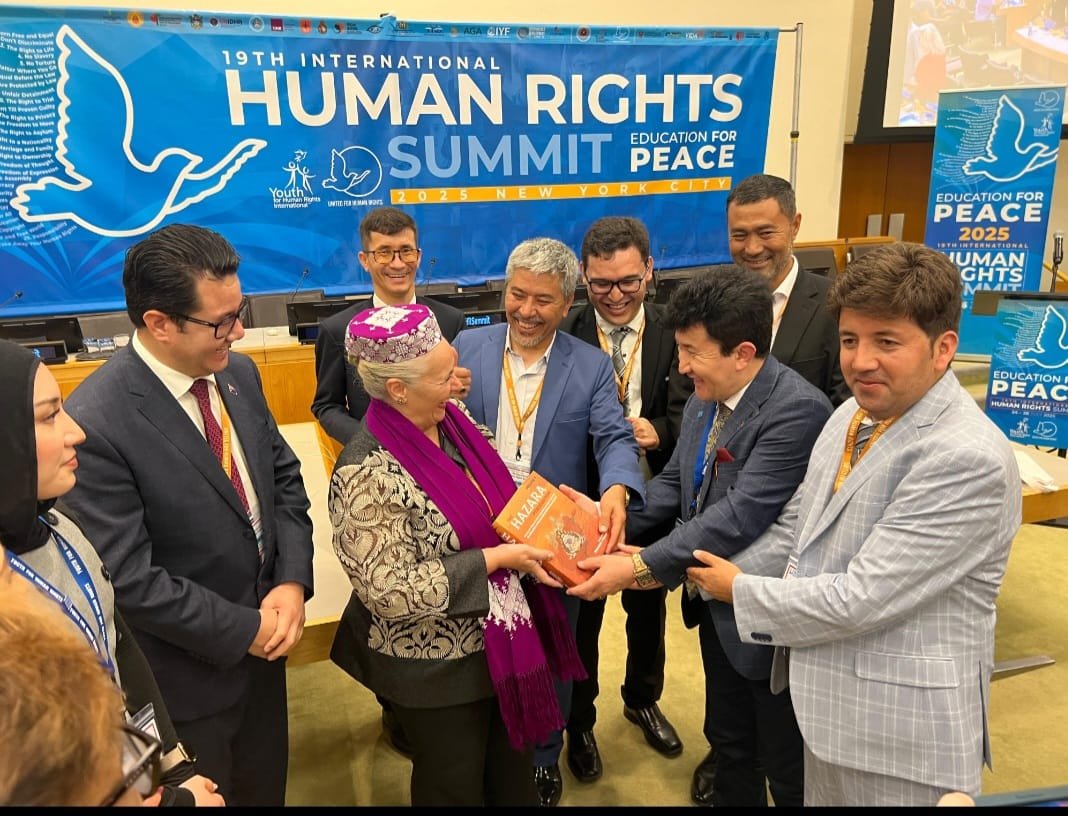
The evidence of Hazara Genocide during the era of Amir Abdurrahman Khan 1880-1901 is presented to the President of Human Rights in New York.
Historical Photographs
Description showing donated by Amir Abdur Rahman Khan through the Governor of Herat, Sa’ad-ud-Din Khan, to the Holly Shrine of Imam Raza at Mashhad, Iran in 1894.
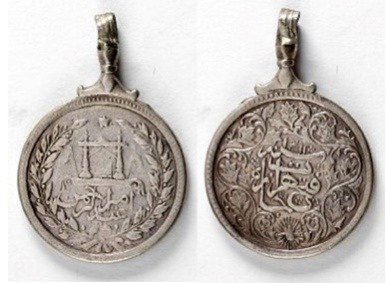
Hazara campaign Medal 18-91-93.
Awarded to the Afghan soldiers and Officers
(Picture from Online social Media)